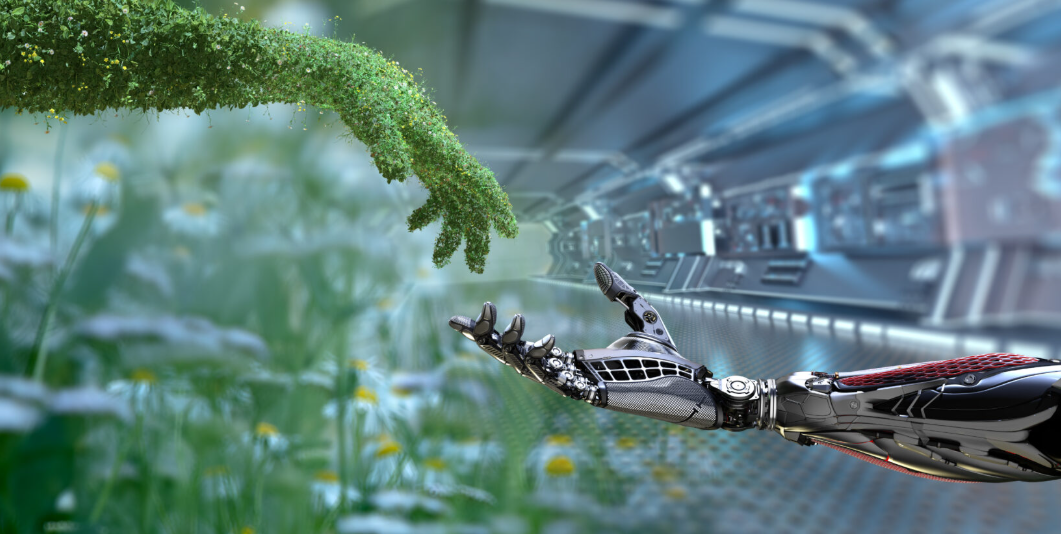
The future of smart living presents a compelling vision of how technology will reshape daily life. Intelligent homes, equipped with advanced AI and IoT systems, promise enhanced comfort and efficiency. Meanwhile, smart cities are set to transform urban environments, fostering sustainability and inclusivity. As these innovations unfold, their impact on community dynamics and individual experiences raises important questions. What challenges and opportunities lie ahead in this rapidly evolving landscape?
The Rise of Intelligent Homes
As technology continues to advance, the concept of intelligent homes has emerged as a transformative force in modern living.
The integration of connected devices enables seamless home automation, allowing residents to control lighting, security, and climate effortlessly.
This newfound convenience not only enhances comfort but also promotes energy efficiency, granting individuals greater autonomy in managing their environments and living more freely.
Smart Cities: Redefining Urban Living
Although urbanization has historically posed significant challenges, the emergence of smart cities offers innovative solutions that redefine urban living.
By integrating urban mobility solutions, these cities facilitate efficient transportation, reducing congestion and enhancing accessibility.
Additionally, community engagement initiatives empower residents, fostering collaboration and inclusivity.
Together, these elements create vibrant urban environments that prioritize quality of life, freedom, and sustainable development for all citizens.
See also: The Future of Quantum Technology
Innovations in Sustainability and Energy Efficiency
Numerous innovations in sustainability and energy efficiency are transforming the way cities approach environmental challenges.
The integration of renewable energy sources, such as solar and wind, alongside the utilization of eco-friendly materials, is not only reducing carbon footprints but also fostering a culture of environmental responsibility.
These advancements empower communities, promoting a harmonious coexistence with nature while enhancing overall quality of urban life.
The Impact of AI and IoT on Daily Life
How has the integration of artificial intelligence (AI) and the Internet of Things (IoT) reshaped daily life?
This synergy fosters a landscape where personalized algorithms optimize daily routines, enhancing convenience and efficiency.
Connected devices, from smart home appliances to wearable technology, facilitate seamless interactions.
As individuals embrace these innovations, they gain unprecedented control over their environments, promoting a sense of freedom and autonomy.
Conclusion
In conclusion, the future of smart living heralds a new era where technology and sustainability coexist to enhance human experiences. For instance, a hypothetical smart city, EcoVille, integrates renewable energy sources and AI-driven traffic systems, reducing congestion by 30% and energy consumption by 25%. Such innovations not only improve urban living but also foster community engagement and environmental stewardship. As intelligent homes and cities evolve, they will empower individuals and transform the way we interact with our surroundings.